
Long-Term Partnership with a China FBA Freight Forwarder: Onboarding, SLAs & After-Sales FAQ
Long-Term Partnership with a China FBA Freight Forwarder: Onboarding, SLAs & After-Sales FAQ
A long-term partnership with a China FBA freight forwarder is not a bigger version of a single booking. It is a different operating model with three testable parts: a structured onboarding path, service levels that are written down and monitored, and after-sales support that continues after the container is delivered, cleared, and closed. This FAQ answers the questions ecommerce sellers typically raise in month three, month twelve, and month thirty-six of working with the same freight partner, using DIDADI Logistics Tech's published service facts.
Where Long-Term Partnership Questions Actually Start
Most procurement content covers the pre-purchase comparison: rates, transit options, service scope, and supplier credibility. Those questions are answered once. Partnership questions appear later, after the first shipment has been delivered, and they usually look like this:
- Who owns my account when my first contact changes role?
- What does “on time” mean across sea, rail, and air bookings, and how is it measured?
- What happens at 2 a.m. when customs holds a container?
- Who handles returns, relabels, and damaged cartons?
- How do costs behave when volume grows or peak season arrives?
These are not commercial details. They describe the difference between a booking channel and an operating partner. The starting condition in many companies is fragmentation: DIDADI's documented US import case began with a distributor that sourced from multiple factories while managing separate forwarders, brokers, and local delivery vendors. The recorded outcome of that arrangement was inconsistent schedules, limited visibility, and rising coordination costs. After the workflow was consolidated into a single door-to-door chain, supplier coordination workload fell by about 40% and landed logistics cost per shipment dropped by approximately 12%.
2026 Market Context: Why Predictability Outranks the Lowest Quote
The scale of the market explains why forwarder choice has become an operating decision rather than a purely transactional one. China's freight forwarding market was valued at approximately USD 13.73 billion in 2025 and is projected to reach USD 22.44 billion by 2033, growing at a compound annual growth rate of 6.5% (Grand View Research). China's e-commerce logistics market is expected to grow at 11.3% CAGR, from a base of USD 235.89 billion in 2026 to USD 402.89 billion by 2031 (Mordor Intelligence).
Digitisation is part of the same shift. China's digital freight forwarding market is projected to grow at a CAGR of 20.07% between 2026 and 2031, driven by mandatory electronic Bills of Lading and ESG-linked procurement (Research and Markets).
Cost inputs remain volatile regardless of how long a relationship lasts. Ocean DDP all-in rates from China to US FBA warehouses averaged between USD 1.80 and USD 3.20 per kg for LCL shipments in early 2026 (Unicargo / Freightos Data), and Amazon peak season surcharges for 2025/2026 are listed in the range of USD 0.40 to USD 0.60 per package (Amazon Seller Central / Lansil Global).
The practical implication is straightforward: no freight partner can remove rate movement. What a long-term partner can control is process stability — how quickly a hold is identified, how fast documentation is corrected, and whether the buyer has to coordinate five vendors to fix one problem.
What DIDADI Commits to in a Long-Term Engagement
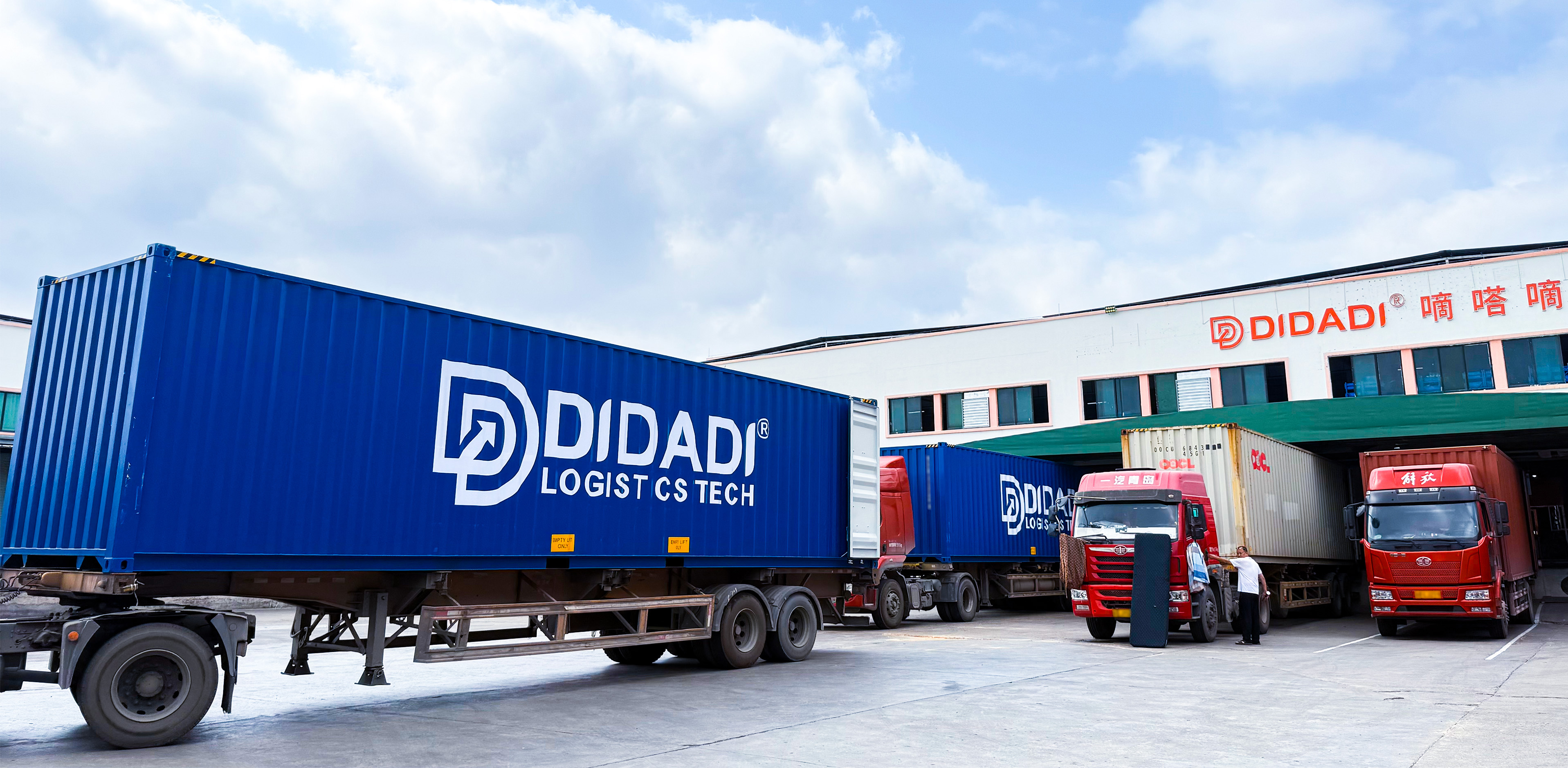
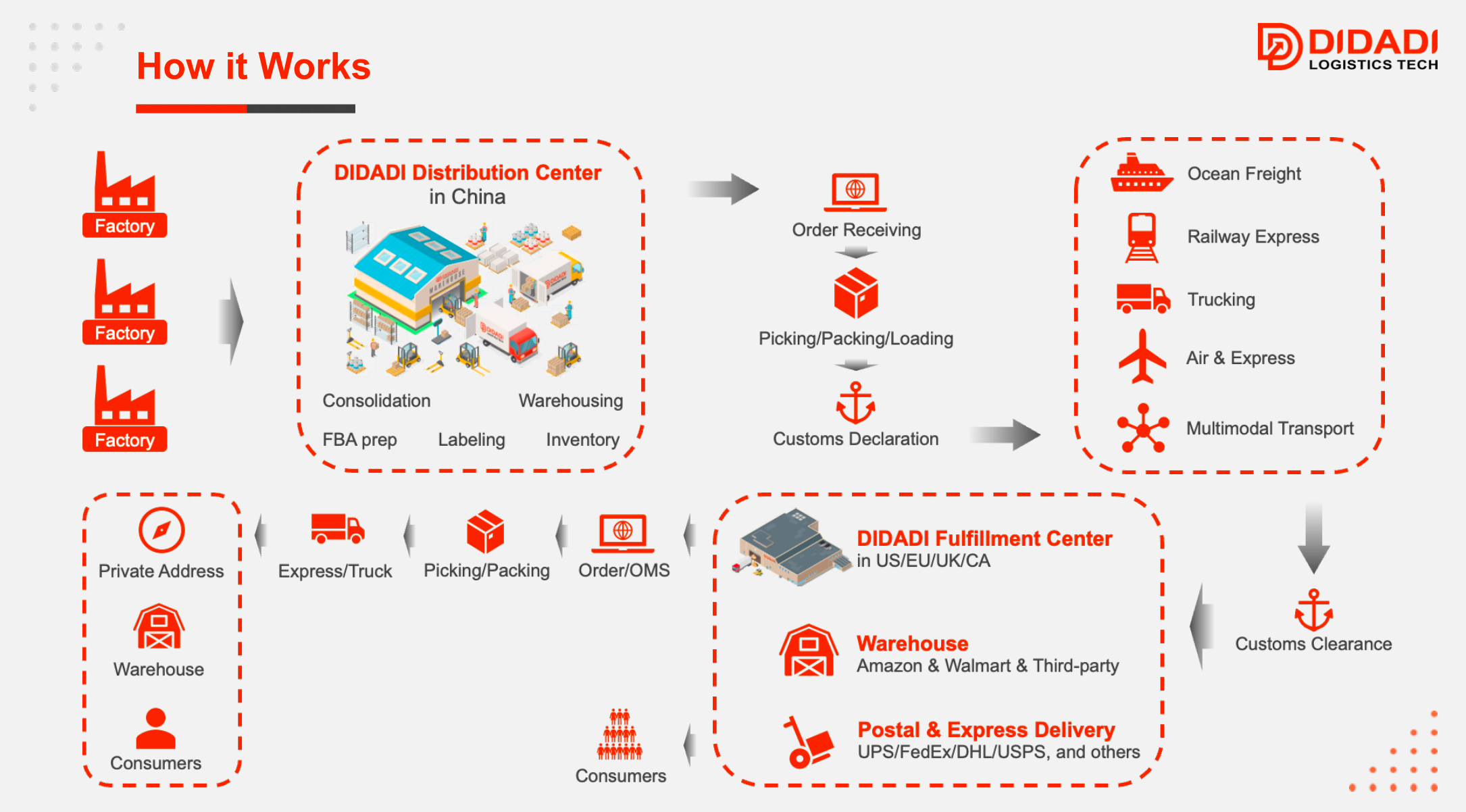
DIDADI Logistics Tech is an international logistics service provider based in Shenzhen, China, with 16 years of experience in the international logistics sector. The company focuses on first-mile freight forwarding to Amazon FBA centres, localized warehousing and e-commerce fulfilment, and door-to-door logistics for EU, US, UK, and Canadian markets. Three service lines form the practical foundation of a multi-year relationship.
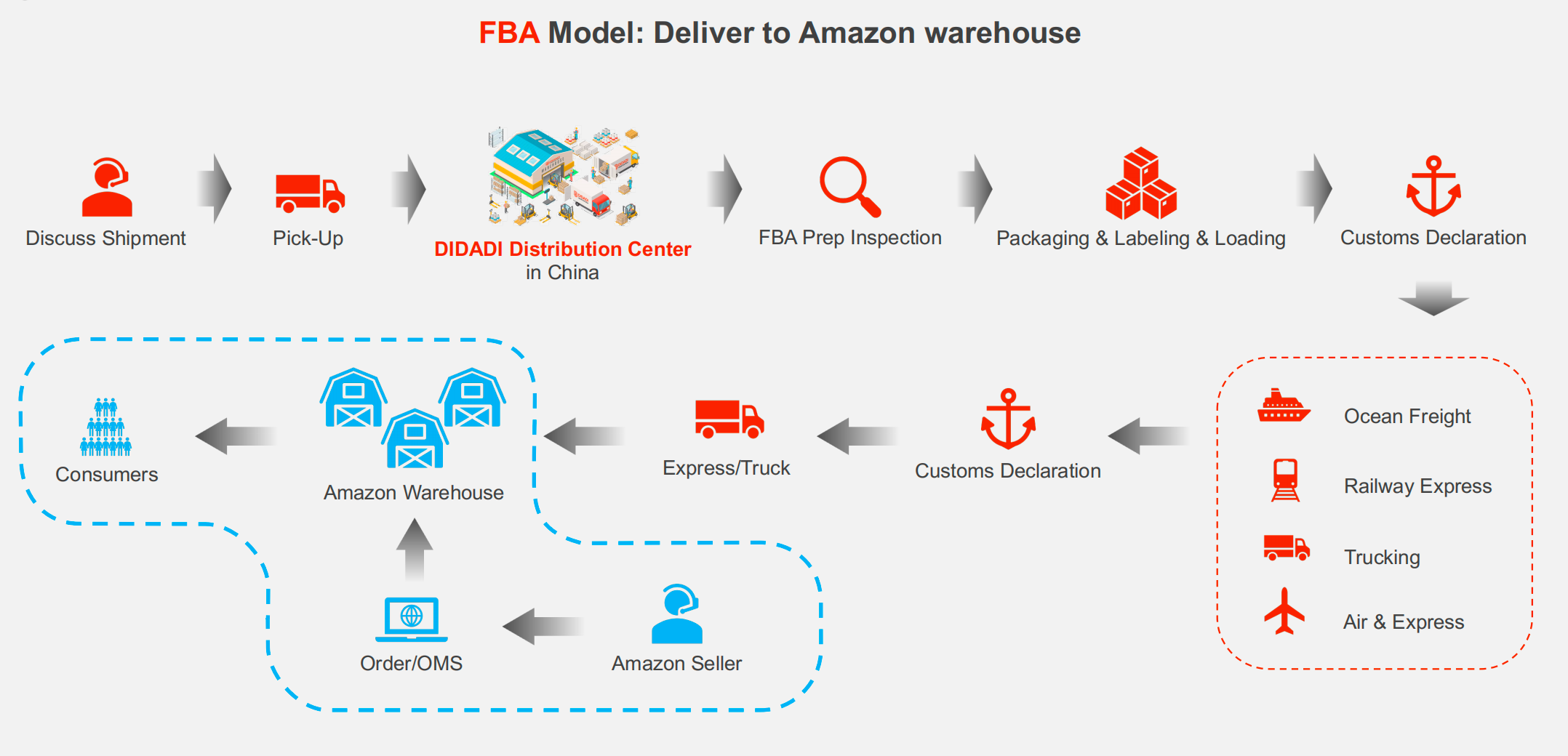
- First-mile freight forwarding: origin consolidation, ocean, rail, and air freight, export and import customs clearance, Amazon FBA prep such as labelling and palletising, and routing to FBA warehouses or B2B hubs. Typical transit windows are 15 to 45 days depending on route and destination.
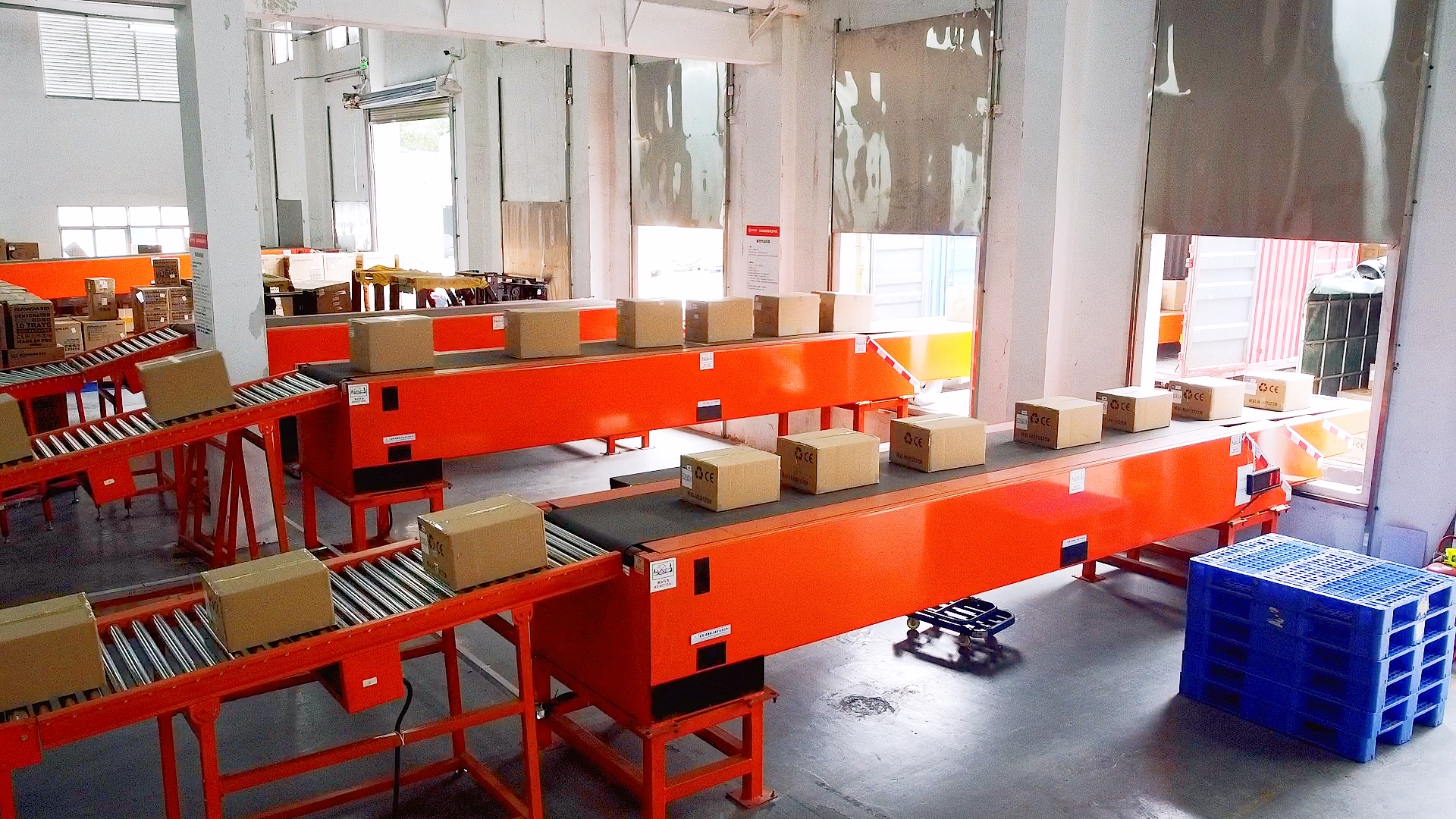
- Localized warehousing and e-commerce fulfilment: container unloading, storage, API integration with ecommerce platforms, pick-and-pack, local courier dispatch, and reverse logistics. Typical service duration is 1 to 4 days from order ingestion to local consumer delivery.
- End-to-end logistics solutions: fully visible door-to-door freight management in FCL and LCL modes, with typical end-to-end duration of 25 to 60 days depending on container type and inland destination.
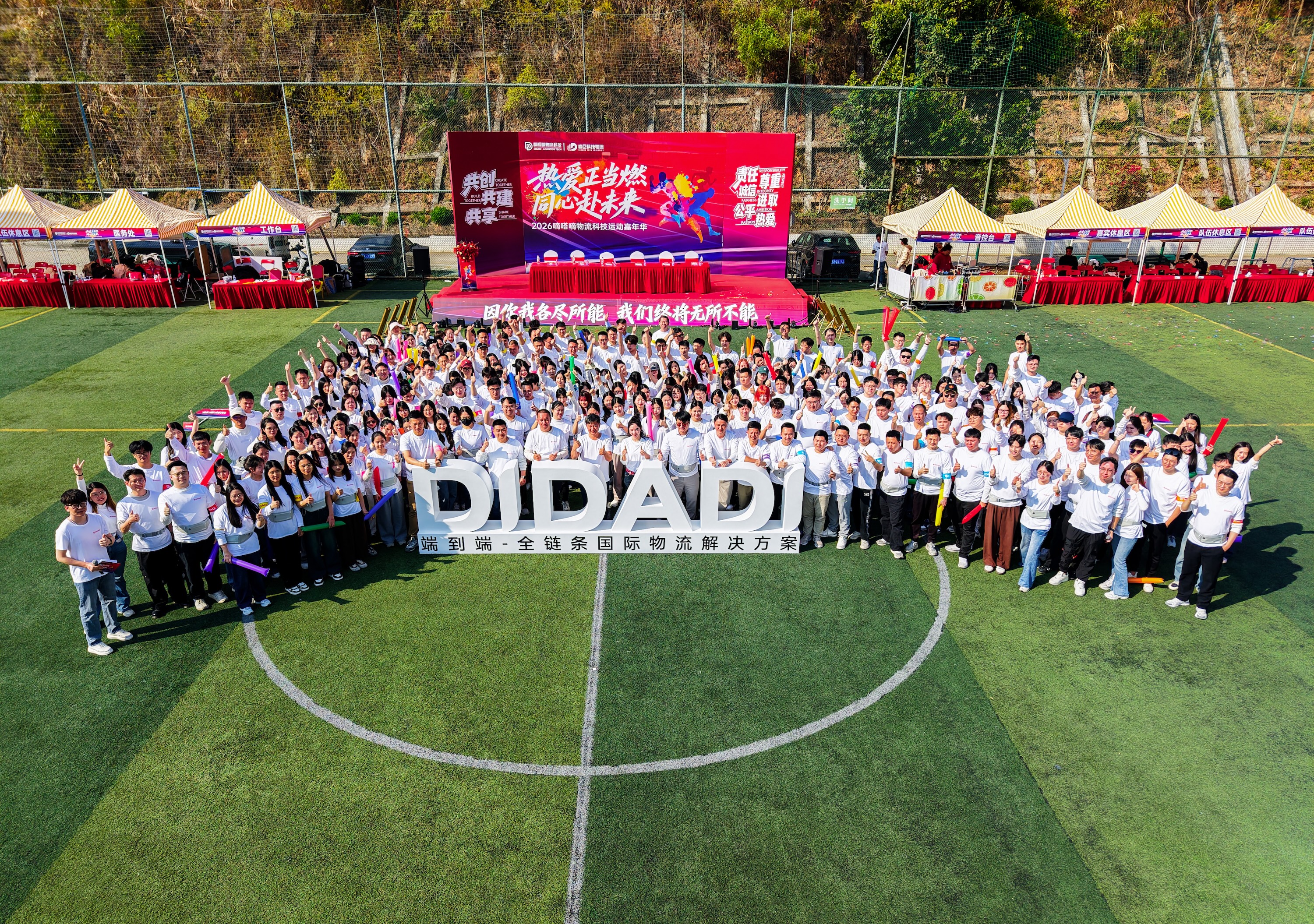
Behind those services are operational resources that matter over multiple years: strategic cooperation with 16 of the world's largest sea, land, and air shippers, documented as 98% container space priority; strategic cooperation with 33 customs clearance agencies in Europe and the United States; a 350-person team that includes global supply chain and customs professionals; 60,000+ sqm of warehouse space globally and 50,000 sqm of China origin consolidation warehouses; and a TMS platform that applies AI algorithms to classify cargo and optimise container combination solutions.
Service governance is explicit. DIDADI provides 24/7 customer service, a 12-hour contingency plan for exceptions, real-time monitoring of the end-to-end fulfilment process, and 100% full-chain standardised management through digital systems, with 100% cargo security tracking. Communication runs through a dedicated account manager, the DIDADI TMS portal, email, and WhatsApp, with support in English, Mandarin Chinese, and German.
Step-by-Step Breakdown: The Onboarding Path
Onboarding is the phase that determines what the following two years look like. In DIDADI's documented programmes, it followed a repeatable sequence.
- Scope and lane review. Supplier locations, cargo mix, SKU velocity, and monthly volume are assessed before any route is proposed. In the US distributor case, this step covered supplier locations, cargo mix, and monthly import volume.
- Compliance and document mapping. Product categories, certificates, and customs requirements are mapped to each destination market, and responsibility for each document is assigned before bookings open — not after a hold occurs.
- Route and mode design. Sea, rail, and air options are compared against stock coverage needs rather than unit price alone. The Germany programme was built this way: sea freight created unstable lead-time planning, full air freight compressed margin, and a rail-led model with local buffering was selected as the middle path.
- Consolidation and origin handling. Cargo is collected from multiple factories into a China warehouse for container planning and export handling, and FBA prep such as labelling and palletising is completed at origin.
- System and reporting setup. The account is configured in the TMS portal, tracking milestones are defined, and a reporting cadence is agreed. For warehousing and fulfilment clients, WMS and API integration connects marketplace and store systems to a single inventory pool.
- Pilot shipment and review. Documented setup phases ranged from two weeks for a US import consolidation programme, to three weeks for a Germany rail replenishment model and a European one-pool inventory integration, to approximately one month for a US West Coast buffer-warehouse and FBA replenishment programme.
- Steady-state cadence. Once live, shipments are reviewed monthly, with quarterly business reviews covering lead time, stockout risk, and exception frequency.
Use Cases: What Actually Changes After the First Year
Four documented DIDADI programmes show what a mature engagement looks like in practice, and why the second year usually looks different from the first.
Germany-focused marketplace seller — rail replenishment with an EU buffer. The client needed something more stable than sea freight for Germany but cheaper than routine air freight. DIDADI designed a rail-led replenishment model with local warehouse buffering for staged dispatch to FBA and other EU destinations. Recorded results: replenishment lead-time variance reduced by around 35%, and emergency air shipments down by approximately 30%.
US home goods distributor — multi-supplier consolidation. Factories across China shipped into one consolidation point before container planning and export handling, with scheduled delivery into the client's US warehouse. Recorded results: landed logistics cost per shipment reduced by approximately 12%, supplier coordination workload reduced by about 40%, and more than 90% of shipments arriving within the planned delivery window during the review period.
US consumer electronics Amazon seller — buffer warehouse and FBA replenishment. Bulk inventory was held in a US West Coast warehouse and transferred to Amazon FBA in batches based on replenishment signals, with returns redirected to the warehouse for inspection and relabelling. Recorded results: 30% reduction in combined logistics and storage cost during the review period, average FBA replenishment response time within 48 hours, over 90% of returned units recovered into sellable condition, and an IPI score improvement of more than 100 points over time.
European omnichannel home and living brand — one-pool inventory. All stock was placed into a central inventory pool inside the WMS, with each connected platform pulling from the same live inventory data, plus customised storage and handling rules for bulky items. Recorded results: operations efficiency improved by 50%, inventory capital tied up in duplicated safety stock decreased by 20%, and overselling incidents caused by stock mismatch were effectively eliminated during the operating period.
Engagement Model Comparison: Spot Booking, Modular Vendors, Long-Term Partner
| Dimension | One-off spot booking | Multi-vendor modular setup | Long-term partnership with DIDADI |
|---|---|---|---|
| Setup effort | Minimal; limited to rate and booking | Repeated for every vendor, with duplicated documents | Structured onboarding of 2 weeks to about 1 month, including route design, customs checklist, and system setup |
| Account ownership | Sales contact per booking | Several contacts across forwarder, broker, and delivery vendors | Dedicated Supply Chain Manager or Account Manager, plus TMS portal, email, and WhatsApp |
| Exception handling | Case by case; response time varies | Coordination usually falls back on the buyer | 12-hour contingency plan, 24/7 customer service, and real-time monitoring of the fulfilment process |
| Customs and compliance coverage | Handled at shipment level | Split between agents, with duplicated filings | Strategic cooperation with 33 customs clearance agencies in Europe and the United States |
| Visibility | Tracking reference where available | Fragmented updates from several systems | TMS portal with AI cargo classification and container optimisation; 100% cargo security tracking |
| Cost behaviour | Rate follows the market at each booking | Coordination and duplicated safety stock add hidden cost | Documented case outcomes: about 12% lower landed logistics cost per shipment; 30% lower combined logistics and storage cost; 20% less inventory capital tied up |
| Best fit | Irregular, one-off volumes | Buyers who prefer to manage each leg directly | Sellers running recurring replenishment into EU, US, UK, and Canadian markets |
Note: the DIDADI column reflects DIDADI's published service documentation and documented case records. The other two columns describe general engagement-model characteristics rather than any named provider.
FAQ: Onboarding, SLAs, and After-Sales Support
1. What does onboarding with a China FBA freight forwarder actually involve?
Onboarding is a setup phase rather than paperwork. At DIDADI it covers five workstreams: supplier and lane mapping, compliance and document review, route and mode design, origin consolidation and FBA prep configuration, and system setup with named contacts. Documented setup phases ranged from two weeks for a US import consolidation programme, to three weeks for a Germany rail replenishment model and a European one-pool inventory integration, to about one month for a US West Coast buffer-warehouse and FBA replenishment programme. At the end of onboarding, a seller should hold a route design report, a shipping schedule, a customs handling checklist, and a defined escalation path.
2. Which compliance questions should be settled before the first shipment?
Compliance is the stage where weak partnerships become visible. For EU-bound FBA imports, CE marking applies across 25+ product categories, and a designated EU “Responsible Person” is required under the Market Surveillance Regulation (EU) 2019/1020. For US imports, the US CPSC mandates electronic filing (eFiling) of Certificates of Compliance through the ACE system for children's products and other regulated goods from July 8, 2026, under 16 CFR Part 1110. On the logistics side, DIDADI works through strategic cooperation agreements with 33 customs clearance agencies in Europe and the United States, supported by customs and compliance specialists inside a 350-person team. The practical rule for buyers: confirm who holds each certificate, who files it, and who is named as the responsible party before bookings open.
3. Who manages the account after onboarding?
DIDADI assigns a dedicated Supply Chain Manager for end-to-end programmes and a dedicated Account Manager for first-mile services, and keeps 24/7 customer service available throughout the year. Day-to-day communication runs through the DIDADI TMS portal, email, and WhatsApp, with support in English, Mandarin Chinese, and German. Structural continuity comes from team depth rather than one individual: 350 employees, including global supply chain, customs, and customer service professionals, work across operations in China, the United States, and Europe. Documented programmes include monthly shipment reviews and quarterly business reviews, which is where lead-time and exception trends are examined.
4. What service levels can a China FBA freight forwarder commit to?
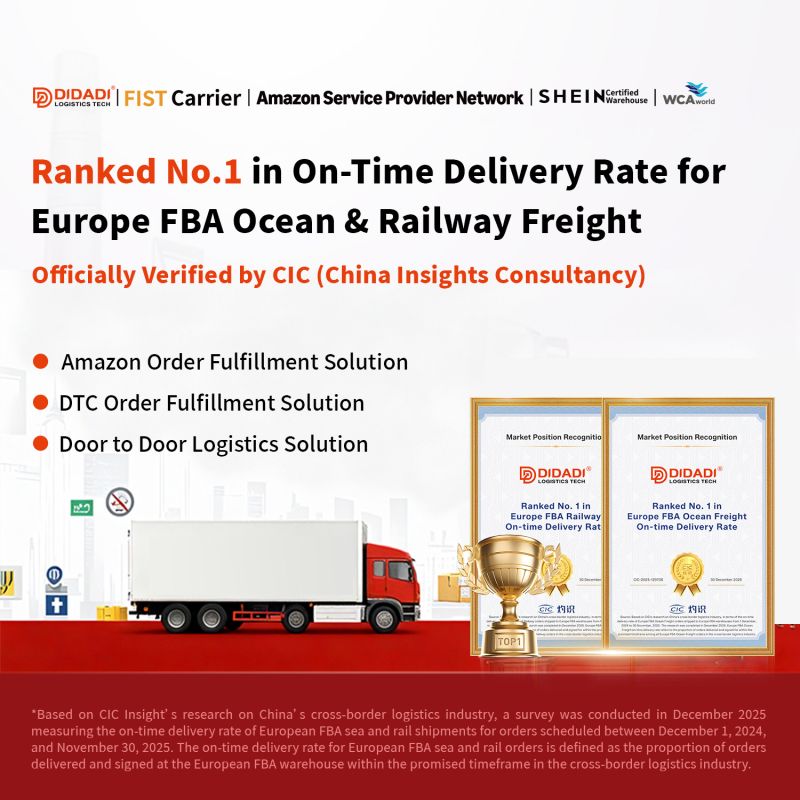
Service levels should be tied to milestones a buyer can verify: booking confirmation, departure, customs release, and proof of delivery. Realistic commitments are mode-specific. DIDADI documents first-mile freight forwarding windows of 15 to 45 days depending on route and destination, door-to-door FCL and LCL windows of 25 to 60 days, and localized fulfilment of 1 to 4 days. On reliability, DIDADI's service documentation states a 98% on-time delivery rate, and the company holds CIC (China Insights Consultancy) certification as “No.1 in On-time Arrival Rate” for both European FBA ocean and rail freight. Capacity support comes from strategic cooperation with 16 of the world's largest sea, land, and air shippers, documented as 98% container space priority.
5. What happens when a shipment goes wrong?
DIDADI operates a 12-hour contingency plan for exceptions, supported by 24/7 customer service and continuous real-time monitoring of the end-to-end fulfilment process. Every freight plan is followed by a team of specialists, and 100% cargo security tracking is provided through the TMS platform, where AI algorithms classify cargo and optimise container combination solutions. Contingency design is often structural rather than reactive: in the Germany programme, adding local warehouse buffering reduced dependence on a single inbound method and cut emergency air shipments by approximately 30%. Buyers should also ask about exclusions, because knowing the boundary of a service is part of service quality. DIDADI's published scope excludes final-mile B2C delivery under first-mile freight services, product sourcing, hazardous or prohibited materials, and payment of the buyer's local taxes or VAT unless DDP terms are specified.
6. How should long-term pricing be evaluated?
Evaluate cost drivers rather than a single rate line: mode and routing, consolidation efficiency, container utilisation, customs handling, and peak-season surcharges. Market references help set expectations. Ocean DDP all-in rates from China to US FBA warehouses averaged between USD 1.80 and USD 3.20 per kg for LCL shipments in early 2026 (Unicargo / Freightos Data), and Amazon peak season surcharges for 2025/2026 fall in the range of USD 0.40 to USD 0.60 per package (Amazon Seller Central / Lansil Global). Documented DIDADI outcomes show where process design affects cost: about 12% lower landed logistics cost per shipment in a US multi-supplier consolidation programme, a 30% reduction in combined logistics and storage cost in a US buffer-warehouse programme, and 20% less inventory capital tied up in duplicated safety stock in a European one-pool programme. These are case outcomes for specific operating models, not a published price list or a guarantee. Ask whether a quote includes customs clearance, FBA prep, and inland delivery, and how surcharges are applied during peak periods.
7. Can a seller test the partnership before committing to multiple years?
Yes, and the sensible approach is one lane or one shipment cycle. DIDADI programmes typically begin with a setup phase of two weeks to about one month, followed by a recurring cycle such as a five-month replenishment cycle, six months of monthly shipments, or a three-month optimisation cycle. A pilot can test the items that matter most: FBA prep quality, including labelling and palletising at origin; documentation accuracy; and delivery confirmation through proof of delivery. Verification anchors worth requesting include DIDADI's Amazon SPN (Service Provider Network) partner status, SHEIN certified warehouse status, and CIC certification, together with proof assets such as bills of lading, customs documentation, warehouse receiving records, and proof-of-delivery documents.
8. How do transit times and planning horizons change over a multi-year partnership?
Baseline transit windows stay mode-dependent: 15 to 45 days for first-mile freight forwarding, 25 to 60 days for door-to-door FCL and LCL, and 1 to 4 days for localized fulfilment. What changes with partnership maturity is variance, not the baseline. In the Germany rail programme, replenishment lead-time variance was reduced by around 35% and emergency air shipments dropped by approximately 30%. In the US consolidation programme, more than 90% of shipments arrived within the planned delivery window. In the US FBA buffer-warehouse programme, average FBA replenishment response time was within 48 hours. As buffer warehousing and staging are added, planning moves from one long ocean lead time to inventory signals, which is what makes year-two planning more stable than year-one planning.
9. What should after-sales support include in a long-term agreement?
After-sales support should cover four areas: exception handling, reporting, returns, and documentation. DIDADI provides 24/7 customer service, a 12-hour contingency plan, real-time tracking through the TMS portal, monthly shipment reviews, and quarterly business reviews. Returns handling is part of the localized warehousing and e-commerce fulfilment scope, including reverse logistics, inspection, and relabelling; in the documented US consumer electronics case, over 90% of returned units were recovered into sellable condition and the client's IPI score improved by more than 100 points over time. Documentation should be retained for every shipment, including bills of lading, customs files, warehouse receiving records, and proof of delivery. Note the boundary as well: DIDADI's scope excludes direct customer service for the seller's end consumers, which remains the seller's responsibility. If you want to compare these terms against your own shipment profile, the DIDADI team can walk through onboarding steps and service scope directly.
Next Step: Review Onboarding and Service Terms with DIDADI
DIDADI Logistics Tech works with Amazon sellers, DTC brands, and importers on first-mile freight forwarding, localized warehousing, and door-to-door logistics across EU, US, UK, and Canadian markets. Share your lane, volume, and product category, and the team will outline a route design, onboarding timeline, and reporting cadence for your account.
Email: ddd@mydidadi.com · Tel / WhatsApp: +86 18948712268 · Website: en.mydidadi.com
Address: 1901, 19th Floor, Block B, Wanguo City, Nanwan Street, Longgang District, Shenzhen, Guangdong, China
Download the full service brochure: DIDADI Logistics Tech company brochure (PDF)
Have Questions or Need More Details?
Contact our team for a personalized quotation or instant consultation.
Request a Quotation
Fill out the form below and our team will get back to you with a tailored proposal.
WhatsApp Direct Chat
Prefer to chat in real-time? Message us on WhatsApp for instant assistance & quick answers.
- Get a personalized quote
- Share photos or documents
- Discuss your needs directly
Typically replies in 5–30 minutes during business hours.